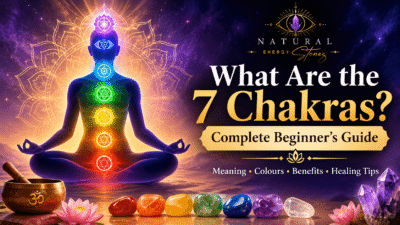

What Are the 7 Chakras? Complete Beginner’s Guide to Their Meaning, Colours, Benefits and Healing
What Are the 7 Chakras? Complete Beginner’s Guide to Their Meaning, Colours, Benefits and Healing Have you ever felt emotionally overwhelmed, mentally exhausted, disconnected from yourself or unable to find inner peace? In spiritual traditions, these experiences are sometimes explored through the concept of chakras — seven important energy centres associated with different aspects of our physical, emotional and spiritual well-being. The word Chakra comes from Sanskrit and means “wheel”. According to traditional Indian spiritual philosophies and yogic practices, chakras are described as spinning energy centres located along the central axis of the body, from the base of the spine to the crown of the head. The seven chakras represent different aspects of human experience, including security, creativity, confidence, love, communication, intuition and spiritual awareness. Understanding the seven chakras is a wonderful starting point for anyone interested in meditation, yoga, mindfulness, spiritual growth and crystal healing. In this beginner-friendly guide, we will explore what the 7 chakras are, their locations, colours, meanings, associated elements, signs of imbalance and the crystals traditionally connected with each energy centre. Whether you are completely new to chakra healing or looking to deepen your spiritual knowledge, this guide will help you understand the fascinating world of the seven chakras. What Are the 7 Chakras in the Human Body? The seven chakras are traditionally understood as seven major energy centres within the subtle body. Each chakra is associated with particular emotional, psychological and spiritual qualities. They are arranged vertically along the body’s central axis, beginning at the base of the spine and extending to the crown of the head. Here are the seven chakras in order: Root Chakra (Muladhara) – Security and Stability Sacral Chakra (Svadhisthana) – Creativity and Emotions Solar Plexus Chakra (Manipura) – Confidence and Personal Power Heart Chakra (Anahata) – Love and Compassion Throat Chakra (Vishuddha) – Communication and Expression Third Eye Chakra (Ajna) – Intuition and Awareness Crown Chakra (Sahasrara) – Spiritual Connection and Consciousness Each chakra has a traditionally associated colour, Sanskrit name, symbolic meaning and element or other traditional correspondence. Understanding these seven energy centres can help you explore self-awareness and develop a more mindful spiritual practice. Understanding the 7 Chakras: Names, Colours and Meanings Let’s explore each of the seven chakras in detail, including its meaning, location, colour, associated qualities and crystals traditionally used in chakra meditation. 1. Root Chakra (Muladhara) – The Chakra of Stability and Security Sanskrit Name: Muladhara Location: Base of the spine Colour: Red Element: Earth Traditional Symbol: Four-petalled lotus Main Meaning: Security, stability, survival and grounding The Root Chakra is the first chakra and forms the foundation of the entire chakra system. It represents our connection with the physical world, sense of security and ability to feel grounded. In traditional chakra teachings, a balanced Root Chakra is associated with feeling safe, stable, confident and connected to your surroundings. It is also connected with basic needs such as shelter, food, financial security and a sense of belonging. Signs of a Balanced Root Chakra Feeling secure and grounded. Having confidence in your decisions. Maintaining emotional stability. Feeling connected to your surroundings. Developing a sense of discipline and consistency. Signs of an Imbalanced Root Chakra Constant feelings of insecurity. Fear of uncertainty and change. Difficulty feeling settled. Lack of confidence in everyday decisions. Feeling disconnected or restless. Best Crystals for Root Chakra In crystal healing traditions, red and dark-coloured stones are commonly associated with grounding and stability. Red Jasper – Traditionally associated with strength, stability and grounding. Black Tourmaline – Associated with grounding and protection. Black Obsidian – Traditionally connected with self-reflection and grounding. Smoky Quartz – Associated with stability and emotional grounding. For someone beginning their crystal journey, a Natural Tiger Eye Bracelet can also be a meaningful addition to a grounding and confidence-focused spiritual routine. How to Balance the Root Chakra Practise grounding meditation. Spend time walking in nature. Try yoga poses such as Mountain Pose and Tree Pose. Maintain a consistent daily routine. Practise mindful breathing. Use grounding crystals during meditation. Root Chakra Affirmation: “I am safe, secure, grounded and connected to the present moment.” 2. Sacral Chakra (Svadhisthana) – The Chakra of Creativity and Emotions Sanskrit Name: Svadhisthana Location: Lower abdomen, below the navel Colour: Orange Element: Water Traditional Symbol: Six-petalled lotus Main Meaning: Creativity, emotions, pleasure and relationships The Sacral Chakra is the second energy centre in the traditional seven-chakra system. It is associated with creativity, emotional expression, sensuality and the ability to enjoy life’s experiences. This chakra is also connected with relationships, personal desires, imagination and adaptability. A balanced Sacral Chakra is traditionally associated with healthy emotional expression, creative thinking and the ability to experience joy without excessive guilt or attachment. Signs of a Balanced Sacral Chakra Healthy emotional expression. Creativity and imagination. Confidence in personal relationships. Ability to enjoy life’s experiences. Healthy boundaries and emotional flexibility. Signs of an Imbalanced Sacral Chakra Difficulty expressing emotions. Creative blocks. Feelings of guilt or emotional dissatisfaction. Difficulty maintaining healthy boundaries. Excessive emotional attachment. Best Crystals for Sacral Chakra Orange-coloured crystals are traditionally associated with the Sacral Chakra. Carnelian – Creativity, motivation and confidence. Orange Calcite – Joy, enthusiasm and emotional expression. Sunstone – Optimism, vitality and positivity. Moonstone – Emotional awareness and intuition. Natural Energy Stones offers a selection of natural gemstones and crystal accessories through its healing crystal collection, where you can explore stones that complement your personal meditation and intention-setting practices. How to Balance the Sacral Chakra Explore creative activities such as painting, dancing or writing. Practise hip-opening yoga poses. Spend time near water. Allow yourself to express emotions without judgment. Practise mindful self-care. Meditate while focusing on the colour orange. Sacral Chakra Affirmation: “I embrace my creativity, express my emotions freely and welcome joy into my life.” Solar Plexus Chakra (Manipura) – The Chakra of Confidence and Personal Power Sanskrit Name: Manipura Location: Upper abdomen, around the stomach area Colour: Yellow Element: Fire Traditional Symbol: Ten-petalled lotus Main Meaning: Confidence, willpower, determination and personal identity The Solar Plexus Chakra