authentic Rudraksha beads

Explore helpful guides about authentic Rudraksha beads, including how to identify genuine and original Rudraksha, understand Rudraksha authenticity, choose natural Rudraksha beads, and buy genuine Rudraksha malas with confidence.

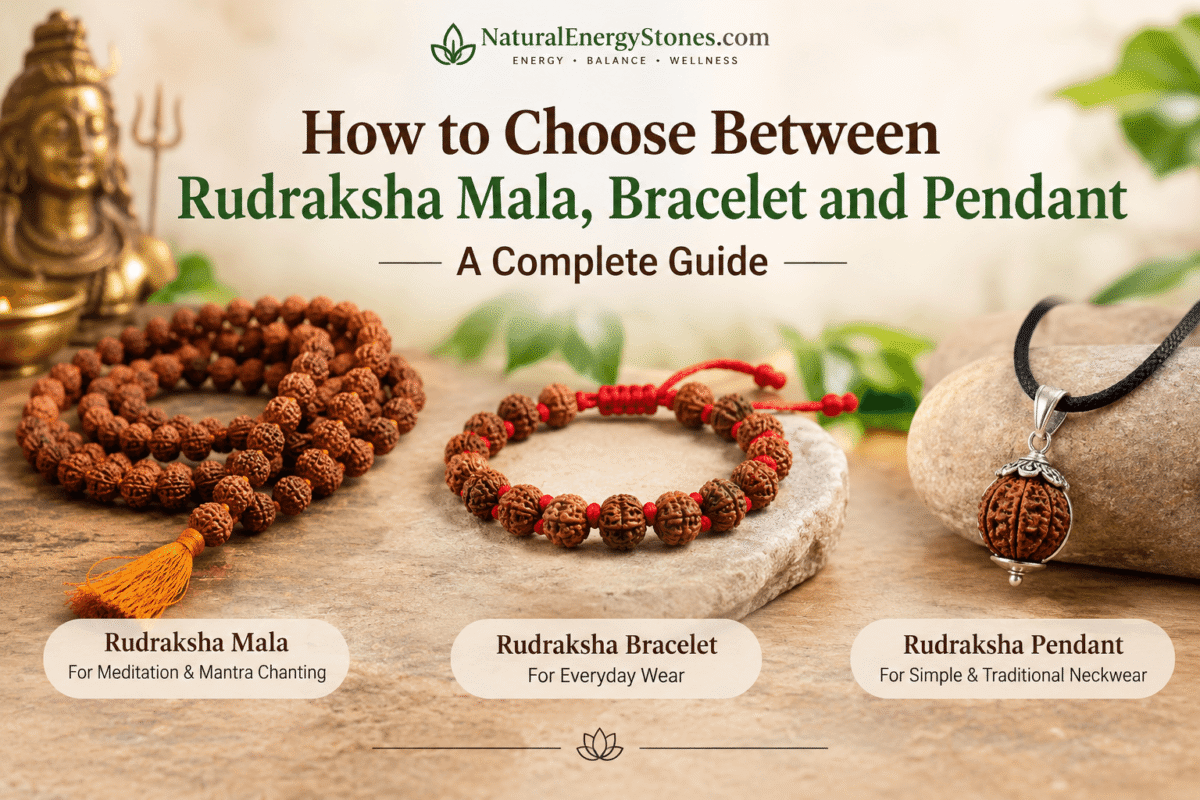
How to Choose Between Rudraksha Mala, Bracelet and Pendant: A Complete Guide

How to Choose Between Rudraksha Mala, Bracelet and Pendant: A Complete Guide

How to Choose Between Rudraksha Mala, Bracelet and Pendant: A Complete Guide Rudraksha has held an important place in Hindu spiritual traditions for centuries. Traditionally associated with Lord Shiva, Rudraksha beads are commonly used for meditation, mantra chanting, prayer and daily spiritual practices. Today, Rudraksha is available in several forms, including Rudraksha malas, Rudraksha bracelets and Rudraksha pendants. But if you are planning to buy Rudraksha online, an important question arises: Should you choose a Rudraksha mala, bracelet or pendant? The answer depends on your purpose, lifestyle, preferred wearing style and spiritual routine. A Rudraksha mala is particularly suitable for traditional japa and meditation, a Rudraksha bracelet offers convenience for everyday wear, and a Rudraksha pendant provides a simple way to keep a sacred bead close to your body. Although all three forms can feature the same type of Rudraksha, their design and practical uses differ. In this guide, we will explain the difference between Rudraksha mala, bracelet and pendant, their traditional significance, how to choose the right option for your needs, and what to check before purchasing an original Rudraksha. What Is Rudraksha and Why Is It Worn? Rudraksha is a natural seed traditionally associated with Lord Shiva and widely used in Hindu devotional practices. Many devotees wear Rudraksha as a symbol of faith, spiritual discipline and connection with their religious traditions. Rudraksha beads are classified according to their naturally formed faces, known as Mukhi. Common varieties include 5 Mukhi, 6 Mukhi, 7 Mukhi and other Mukhi Rudraksha beads. Among these, 5 Mukhi Rudraksha is one of the most commonly worn varieties and is traditionally associated with meditation, peace and spiritual practice. Depending on personal preference, a Rudraksha bead can be worn as a bracelet or pendant, while a string of beads can be used as a mala for prayer and mantra chanting. If you are beginning your Rudraksha journey, explore the Original 5 Mukhi Rudraksha collection at Natural Energy Stones to learn about the available options. Rudraksha Mala vs Bracelet vs Pendant: Understanding the Difference Before choosing a Rudraksha product, it is helpful to understand what makes each format different. 1. Rudraksha Mala: Best for Meditation and Mantra Chanting A Rudraksha mala is a string of Rudraksha beads traditionally used for japa, prayer and meditation. Many malas contain 108 beads, although other bead counts are also available. A mala can be particularly useful for people who regularly chant mantras such as Om Namah Shivaya and want a traditional way to count repetitions during their spiritual practice. The main advantages of a Rudraksha mala include: Suitable for traditional mantra chanting and japa. Useful for maintaining a consistent meditation routine. Available in different bead counts and sizes. Associated with traditional Hindu prayer and devotional practices. Can be worn around the neck, depending on the design and personal preference. If you prefer larger beads and a traditional appearance, consider the 5 Mukhi Nepali Rudraksha Mala – 56 Big Beads available at Natural Energy Stones. For those who prefer a traditional 108-bead mala, the 5 Mukhi Rudraksha Mala collection offers options to compare. Who should choose a Rudraksha mala? A mala may be the right choice if you regularly meditate, practise mantra chanting, perform daily puja or prefer traditional spiritual accessories. 2. Rudraksha Bracelet: Best for Everyday Wear A Rudraksha bracelet is a compact accessory made using one or more Rudraksha beads, depending on its design. It is worn around the wrist and is often chosen by people who want to incorporate Rudraksha into their everyday routine. Compared with a full-length mala, a bracelet is generally easier to wear during work, travel and daily activities. The main advantages of a Rudraksha bracelet include: Convenient wrist-worn design. Suitable for everyday spiritual wear. Easy to incorporate into a personal mindfulness routine. Available in adjustable thread and other designs. A practical option for people who prefer smaller accessories. For example, the 5 Mukhi Rudraksha Bracelet in Adjustable Red Thread is designed with a Rudraksha bead and an adjustable red braided thread. This type of bracelet can be a suitable option if you want a simple Rudraksha accessory without wearing a full mala. Who should choose a Rudraksha bracelet? A bracelet may suit beginners, working professionals, frequent travellers and people who prefer a compact accessory for everyday use. 3. Rudraksha Pendant: Best for Simple and Traditional Neckwear A Rudraksha pendant features a Rudraksha bead incorporated into a pendant-style design. It can be worn around the neck using a suitable chain or thread, depending on the product. Unlike a complete mala, a pendant offers a simpler way to wear a single Rudraksha bead. It is particularly suitable for people who prefer neckwear but do not want to wear a full string of beads. The main advantages of a Rudraksha pendant include: A simple and compact design. Suitable for everyday spiritual wear. An alternative to bracelets and full-length malas. Can be styled with different types of clothing, depending on the design. A convenient option for people who prefer wearing a single Rudraksha bead. Natural Energy Stones offers a Natural 5 Mukhi Rudraksha Pendant for people looking for a pendant-style Rudraksha accessory. Before purchasing, check the product specifications to understand whether the chain or thread is included. Who should choose a Rudraksha pendant? A pendant may be suitable for people who prefer neckwear, want a minimal spiritual accessory or would rather wear a single Rudraksha bead than a complete mala. Key Differences Between Rudraksha Mala, Bracelet and Pendant The following comparison can help you choose the right Rudraksha according to your requirements. Feature Rudraksha Mala Rudraksha Bracelet Rudraksha Pendant Wearing style Around the neck or held during japa Around the wrist Around the neck Traditional use Mantra chanting, japa and prayer Daily spiritual wear Daily spiritual wear Design String of beads Compact wrist accessory Single-bead pendant-style accessory Mantra counting Convenient when designed for japa Not usually designed for counting Not usually designed for counting Everyday convenience Depends on size and personal preference Generally convenient Generally convenient Best suited

How to Choose Between Rudraksha Mala, Bracelet and Pendant: A Complete Guide Read More »
How to Identify Original Rudraksha: 10 Authenticity Tests Before Buying

How to Identify Original Rudraksha: 10 Authenticity Tests Before Buying

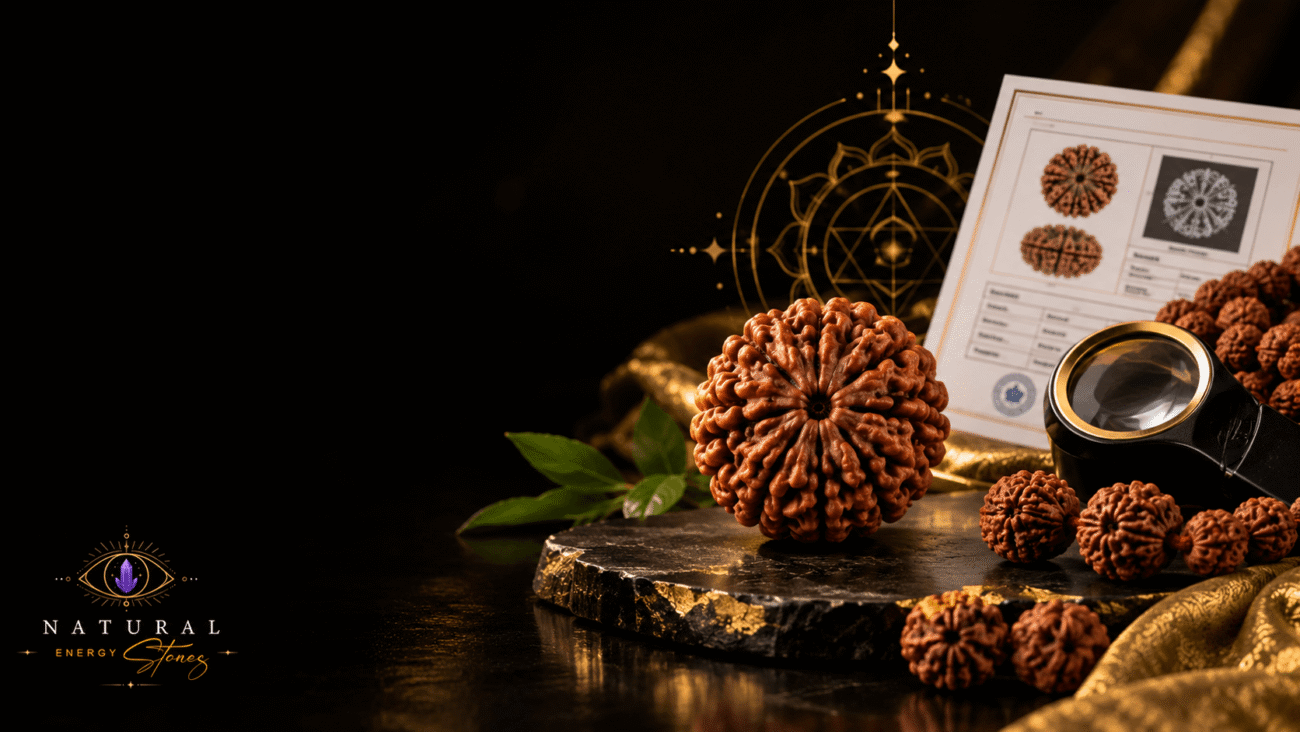
How to Identify Original Rudraksha: 10 Authenticity Tests Before Buying Rudraksha beads have been revered for centuries in Hindu spiritual traditions and are commonly used for meditation, mantra chanting, prayer and devotional practices. Because of their growing popularity, many people searching for original Rudraksha online also face an important question: How can you identify a genuine Rudraksha and avoid buying a fake bead? Whether you are looking for a 5 Mukhi Rudraksha, Rudraksha Mala, Rudraksha Pendant or another Mukhi Rudraksha, understanding basic authenticity checks can help you make a more informed purchase. The market can contain artificially carved beads, moulded or imitation beads, altered natural seeds and other products that may look similar to genuine Rudraksha. Therefore, simply looking at the colour or performing one popular home test is not enough. In this detailed guide, we explain 10 ways to check Rudraksha authenticity, what you can inspect at home, which popular tests should be treated cautiously, and why professional certification can provide greater confidence. Important: Home inspection can help identify obvious irregularities, but it cannot always prove authenticity. For valuable or rare Rudraksha, professional laboratory testing and a verifiable authenticity report are much stronger forms of verification. What Is an Original Rudraksha? Rudraksha is a natural seed traditionally associated with the Rudraksha tree, botanically known as Elaeocarpus ganitrus. The bead has naturally formed vertical clefts or faces known as Mukhi. For example: A 5 Mukhi Rudraksha has five natural Mukhi divisions. A 7 Mukhi Rudraksha has seven natural Mukhi divisions. An 11 Mukhi Rudraksha has eleven natural Mukhi divisions. The number of Mukhi is an important characteristic of a Rudraksha. However, simply counting the visible lines is not always sufficient because artificial grooves can be carved into a natural bead. This is why original Rudraksha identification should involve more than one visual check. If you are looking for authentic Rudraksha products for meditation or spiritual practice, you can explore the Rudraksha collection at Natural Energy Stones. Why Is It Important to Identify Original Rudraksha? Buying a genuine Rudraksha is important for several reasons. First, buyers want to know that the product they receive is actually the natural seed described by the seller. Second, the Mukhi count can significantly affect how a Rudraksha is classified and valued. Artificially adding grooves to a lower-Mukhi bead can make it appear to be a rarer Rudraksha. Third, online photographs can sometimes make it difficult for a beginner to distinguish between natural and artificially modified beads. A genuine-looking surface does not necessarily prove what is inside the bead. Therefore, when buying genuine Rudraksha online, look beyond attractive photographs and low prices. Check the product description, seller transparency, authenticity information and, where appropriate, laboratory certification. 10 Tests to Identify an Original Rudraksha 1. Check the Natural Mukhi Lines The first step in original Rudraksha identification is to carefully examine the Mukhi lines. Mukhi lines are the natural vertical divisions running across the Rudraksha bead. A genuine Rudraksha generally has naturally formed grooves with variations in: Depth Width Texture Shape Direction Surface pattern Natural formations are rarely perfectly uniform. Use your eyes first and, if necessary, a magnifying glass or smartphone macro camera to inspect the bead more closely. What should you look for? The Mukhi divisions should appear naturally formed rather than looking like perfectly machine-cut grooves. Be cautious if: Lines appear unnaturally straight or uniform. Grooves look freshly carved. The surface appears excessively smooth. Several beads have exactly the same artificial-looking pattern. Additional Mukhi lines appear suspiciously shallow compared with the natural grooves. However, visual inspection is only a screening method, not definitive proof. A sophisticated alteration may not be obvious to an inexperienced buyer. 2. Check Whether the Mukhi Lines Run Naturally Across the Bead When learning how to identify original Rudraksha, don’t simply count the visible lines. Follow each Mukhi from one end of the bead toward the other. Natural Mukhi divisions generally follow the bead’s natural structure. If a line suddenly stops, changes character, looks freshly cut or appears disconnected from the rest of the surface, investigate further. Artificially carved Rudraksha can sometimes have additional grooves added to change the apparent Mukhi count. A useful inspection technique Place the bead under bright natural light and slowly rotate it. Look at: The top The bottom Each Mukhi division The grooves around the entire circumference The drilling hole The surface texture This gives you a much better inspection than looking at only one photograph. 3. Examine the Surface Texture One of the useful ways to distinguish a real Rudraksha vs fake Rudraksha is to examine its overall texture. Natural Rudraksha seeds generally have an organic, irregular surface. You may notice: Small natural ridges Uneven textures Natural depressions Minor variations Organic-looking patterns Artificial moulded beads may appear excessively uniform. However, remember that natural Rudraksha can also be cleaned, polished or treated, so surface appearance alone should never be treated as absolute proof. Avoid judging authenticity only by colour Rudraksha beads can naturally vary in colour and appearance. Depending on age, drying, cleaning and handling, beads may appear: Light brown Medium brown Dark brown Reddish brown Deep brown Therefore, colour alone cannot determine whether a Rudraksha is original. 4. Inspect the Drilling Hole The hole through a Rudraksha is another area worth examining. Look carefully at the opening where the thread passes through. Check whether: The hole appears consistent with the bead’s natural structure. There are obvious signs of glue or filler. The drilling appears excessively rough. The hole seems to have damaged important Mukhi divisions. There are suspicious artificial materials inside the bead. A clean, drilled Rudraksha can naturally have a hole because many beads are prepared for malas, bracelets and pendants. Therefore, a drilled hole does not mean that a Rudraksha is fake. The goal is simply to look for unusual signs of modification. 5. Examine the Bead Under Magnification If you have a magnifying glass or jeweller’s loupe, use it. Magnification can reveal details that are difficult to see with the naked

How to Identify Original Rudraksha: 10 Authenticity Tests Before Buying Read More »

Natural Energy Stones, covered image
SPECIAL OFFER FOR YOU ✨

5% EXTRA OFF

Choose Prepaid Payment & Get 5% EXTRA OFF + FREE SHIPPING on Natural Energy Stones, Rudraksha & Spiritual Products.

COUPON: PREPAID5