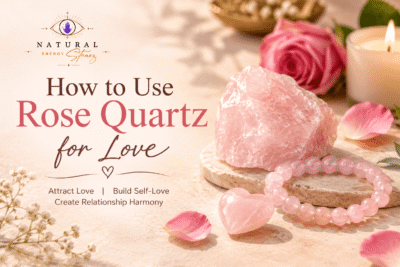

How to Use Rose Quartz for Love: A Complete Guide to Attracting Love, Self-Love & Relationship Harmony
How to Use Rose Quartz for Love: A Complete Guide to Attracting Love, Self-Love & Relationship Harmony Love is one of the most meaningful parts of life, but building a healthy relationship begins with understanding yourself, valuing your emotions, and creating space for genuine connection. In the world of crystals and spiritual wellness, rose quartz is widely known as the stone of love, compassion, and emotional harmony. Whether you want to attract love into your life, strengthen an existing relationship, practise self-love, or move forward after heartbreak, rose quartz is a popular crystal to include in your daily spiritual routine. But how do you use rose quartz for love? Should you wear a rose quartz bracelet, keep the crystal in your bedroom, meditate with it, or use it during manifestation practices? In this comprehensive guide, we will explore how to use rose quartz for love, the traditional meaning of rose quartz, simple rituals for beginners, the best places to keep this pink crystal, and practical ways to incorporate it into your daily routine. If you are looking for an authentic crystal to begin your journey, explore the Rose Quartz collection at Natural Energy Stones and discover options for your personal crystal collection. What Is Rose Quartz? Understanding the Stone of Love Rose quartz is a pink variety of quartz that ranges from pale, milky pink to deeper pink shades. It is one of the most recognisable crystals in spiritual wellness and is traditionally associated with love, compassion, kindness, and emotional balance. In crystal traditions, rose quartz is often called the stone of unconditional love because it symbolises the importance of giving and receiving love without losing respect for yourself or others. Rose quartz is commonly associated with: Romantic love and meaningful relationships Self-love and self-acceptance Compassion and kindness Forgiveness and emotional reflection Heart chakra meditation Creating a peaceful and loving environment Many people use rose quartz as a symbolic reminder to approach themselves and others with greater patience and understanding. It is important to remember that these are traditional spiritual associations rather than scientifically established healing effects. Rose quartz cannot guarantee a romantic relationship or change another person’s feelings, but incorporating it into a mindful routine can help you focus on your intentions and the actions that support healthy relationships. How to Use Rose Quartz for Love: 7 Simple Methods There is no single correct way to use rose quartz for love. You can choose a practice based on your lifestyle, personal beliefs, and relationship goals. 1. Wear a Rose Quartz Bracelet to Keep Your Love Intention Close One of the simplest ways to use rose quartz for love is to wear it as jewellery. A rose quartz bracelet allows you to keep the crystal close throughout the day. Within crystal traditions, wearing rose quartz is associated with compassion, emotional openness, and self-love. Whenever you notice your bracelet, use it as a reminder to communicate honestly, treat yourself with kindness, and remain open to healthy relationships. How to use a rose quartz bracelet: Choose a bracelet that you feel comfortable wearing. Hold it in your hands for a few moments before putting it on. Set a personal intention, such as “I welcome healthy love and treat myself with respect.” Wear it during your daily activities if it suits your routine. Reflect on your intention whenever you notice the bracelet. If you want to explore other crystals traditionally associated with emotional balance, you can also discover the Natural Amethyst Healing Bracelet as part of your personal crystal collection. Remember that wearing a crystal is a personal spiritual practice, not a substitute for honest communication, mutual respect, or working through relationship difficulties. 2. Keep Rose Quartz in Your Bedroom to Create a Loving Atmosphere Your bedroom is a personal space where you relax, reflect, and spend time with yourself or your partner. Keeping rose quartz in this space is a popular practice among people who associate crystals with love and relationship harmony. A rose quartz stone placed on a bedside table, dressing table, or shelf can serve as a gentle visual reminder of the kind of relationship you want to build. Where should you place rose quartz in your bedroom? Bedside table: Keep the crystal somewhere visible to remind you of your relationship intentions. Dressing table: Use it as a reminder to practise self-acceptance and positive self-talk. Meditation corner: Place it in a quiet space dedicated to reflection and mindfulness. Shared bedroom: Use it as a symbol of kindness, communication, and mutual appreciation. Some Feng Shui and crystal practitioners recommend placing two rose quartz pieces together to symbolise partnership. You may choose to follow this tradition if it aligns with your personal beliefs. However, the placement of a crystal cannot guarantee marriage, reconciliation, or a change in your partner’s behaviour. Healthy relationships depend on the choices and actions of both people. 3. Meditate With Rose Quartz for Self-Love and Emotional Awareness Self-love is an important part of developing healthy relationships. When you recognise your own needs, values, and boundaries, you can make more thoughtful decisions about the people you allow into your life. Rose quartz is traditionally associated with the heart chakra, which represents love, compassion, and emotional connection in certain spiritual traditions. Meditating with rose quartz can provide a simple way to pause, reflect, and reconnect with these intentions. A simple five-minute rose quartz meditation: Find a quiet and comfortable place to sit. Hold your rose quartz gently in one hand. Close your eyes if comfortable and take several slow, natural breaths. Think about the qualities you want to cultivate, such as kindness, patience, confidence, or emotional openness. Repeat a positive affirmation, such as, “I deserve love, respect, and understanding.” Finish by identifying one small action you can take to support your well-being. You do not need to experience a special sensation or feel an immediate change for the practice to be meaningful. The purpose is to create time for reflection and develop a more compassionate relationship with yourself. 4.